 Chronicle
Market Daily Brief: Oil windfalls flow as the AI bill comes due
Market Daily Brief
By Arthur Ledger: Sunday editorials and daily company notes
Thursday was a day of contrasts. The oil majors reported the fattest profits in years, while Alphabet showed what it costs to stay in the AI race. The patient owner's question is the same in both cases: what will these businesses earn in an ordinary year, and what are we paying for that today?
Rates, the Budget and Europe
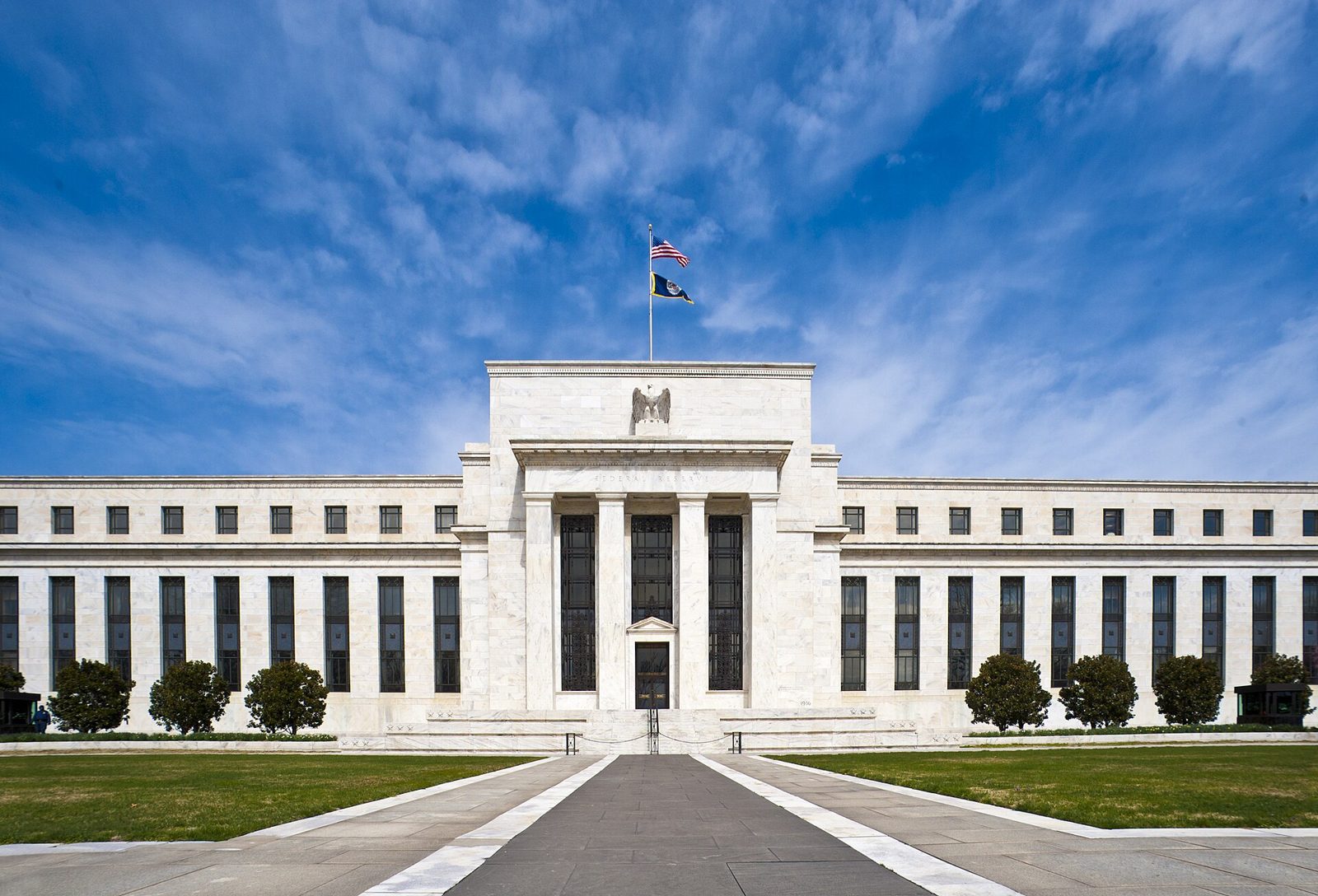
The Fed held rates at 3.75-4%, with two members wanting a hike, as PCE inflation runs at 3.4%. Christine Lagarde will step down as ECB president on 7 February. In the UK Budget the bank surcharge doubled to 6%, less than the 8% some feared, 20mn households get a £100 energy payment, and the OBR sees growth of 1.2% and 1%, with the tax burden reaching a record 38.6% in 2031-32. European office deals fell to €8.8bn in the third quarter, the lowest since 2009.
What the FT covered
Shell, TotalEnergies and Repsol posted big profits on record refining margins and the Iran war, and raised buybacks. Alphabet's revenue rose 25% but its shares fell about 10% after hours on capital spending. Microsoft rose. Volkswagen lost €5.9bn at the operating line. Trian offered $7.35 a share for Wendy's. Lloyds doubled its quarterly pre-tax profit. Jio Platforms rose 27% on its debut, and copper got an AI-demand reality check: data centres use about 350,000 tonnes a year against roughly 28mn tonnes of total demand. Ed Yardeni argues post-midterm dips tend to be buying chances.
What our checks found
Alphabet: 11/20. A superb business: operating profit rose 30% and Cloud revenue doubled. But capital spending of $51bn turned free cash flow negative for a second quarter, buybacks have stopped and new shares are being sold. Net income fell 25% mainly on an $8.7bn investment loss, which we stripped out. At about 27 times operating earnings, the price leaves no margin of safety.
Microsoft: 11/20, unchanged. Azure grew 48% and free cash flow was $18.6bn, but capex has pushed it below last year's level. At about 27 times earnings and a 1.5% cash yield, we would wait.
Lloyds: 11/20, unchanged. A return on tangible equity near 18% and pre-tax profit of £2.3bn in the quarter. The surcharge rise costs perhaps 3-4% of earnings, by our rough estimate. At about 10 times earnings and 1.8 times tangible book, fair, not cheap.
TotalEnergies: 11/20. Adjusted profit of $9.1bn, low debt and a dividend that keeps rising. Shell: 10/20, with $10.8bn of adjusted earnings and a $5bn quarterly buyback. Repsol: 10/20, with €2.7bn and a further €950mn buyback. All three look cheap on this year's profits, but these are peak-cycle numbers driven by war and refining margins. On ordinary-year earnings they are roughly 11 to 15 times, and buybacks at record prices are not a bargain.
Wendy's: 10/20, too hard. Cash flow is strong for the price, but net debt is about five times cash profit and the bid caps the upside. A deal bet, not a long-term holding.
Volkswagen: 7/20. Its €33bn of automotive net cash nearly matches its market value, but the underlying margin is 3.8% and the company is cutting 100,000 jobs. We stripped out €6.4bn of Porsche writedowns and gains from share sales. Cheap is not the same as safe.
Mention only: Sanofi, 11 on our earlier card, reports on Friday. Jio Platforms and the copper miners BHP and Freeport were not scored.
Also on our desk (since Wednesday's article)
- Danone 13/20 (X sweep): strong brands and steady growth at a fair price, not a bargain.
- Micron 11/20: cheap on peak earnings, the classic memory-cycle trap.
- CoStar stays 10 after a rescore: cheaper, but bookings are weakening.
- Value Investors Club: we have read and scored 15 of 40 early-September ideas, including Constellation Software, Honeywell Aerospace, Mestek, Kendrion and Eurocell. None cleared 15; the rest follow on Friday.
Nothing new cleared 15 today. A windfall is welcome, but owners should value a business on the years when nothing goes its way.
Research only, not investment advice.